


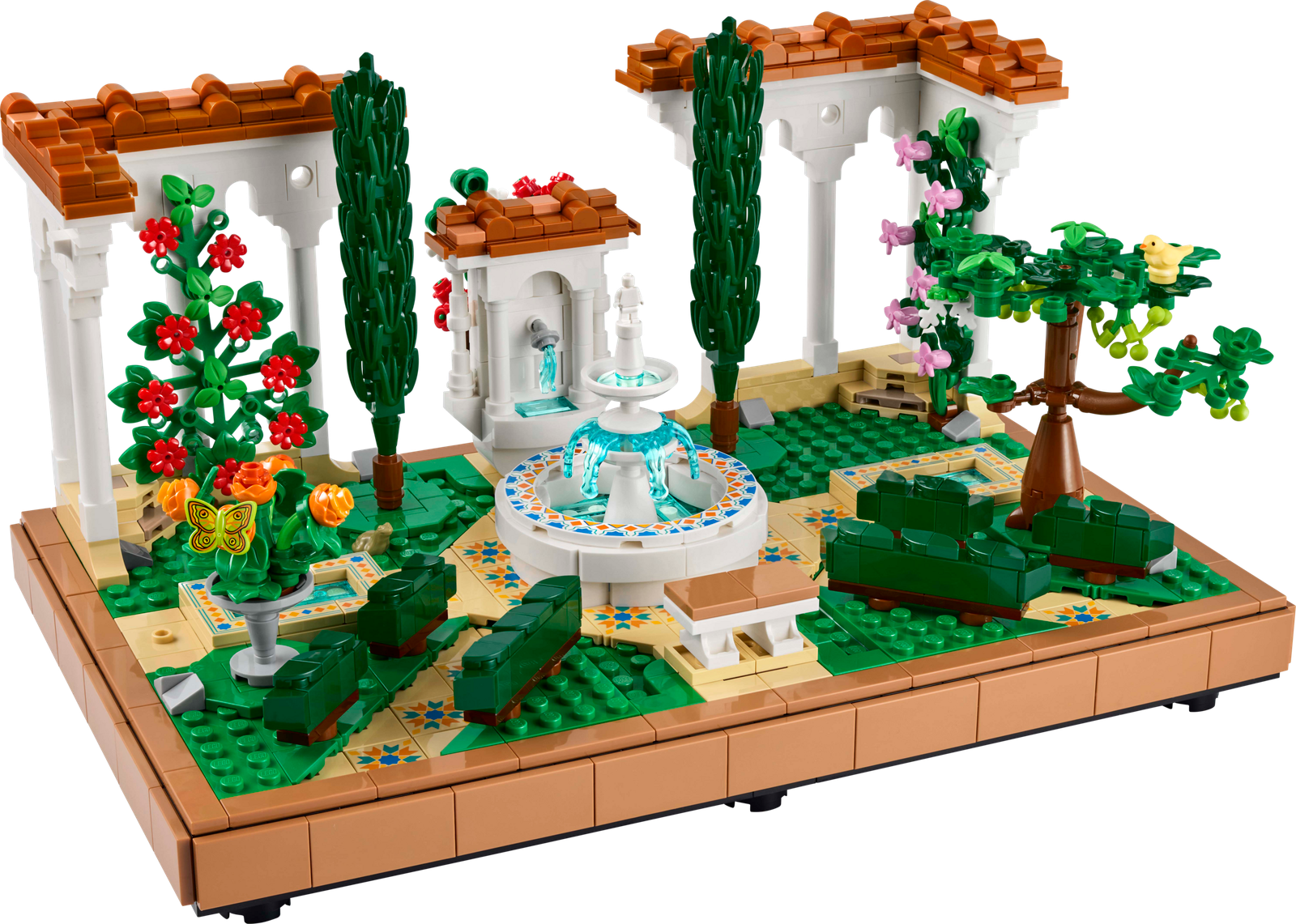
LEGO Architecture: A Creative Journey Through Iconic Landmarks
LEGO Architecture has transformed the way enthusiasts experience both building and design. Combining the timeless appeal of LEGO bricks with the beauty of world-famous structures, LEGO Architecture offers a unique blend of creativity, education, and artistic expression. Whether you are a casual builder or a passionate collector, the world of LEGO Architecture opens doors to exploring global landmarks in a hands-on and deeply engaging way.
From the sleek skyline of New York to the historic charm of Paris, LEGO Architecture captures the essence of iconic structures with remarkable precision. This blog post explores everything you need to know about LEGO Architecture, including its origins, popular sets, benefits, and why it continues to captivate builders around the world.
The Origins and Evolution of LEGO Architecture
LEGO Architecture began as a niche concept but quickly evolved into one of the most admired LEGO themes. It was initially inspired by architect Adam Reed Tucker, who experimented with LEGO bricks to recreate famous buildings. His work caught the attention of LEGO, leading to a collaboration that eventually gave birth to the LEGO Architecture series.
The early sets focused on individual buildings, emphasizing accuracy and architectural detail. Over time, LEGO Architecture expanded to include skyline collections, allowing builders to recreate entire cityscapes. This evolution made the theme more accessible while maintaining its core focus on design and structure.
The beauty of LEGO Architecture lies in its ability to merge play with education. Builders not only assemble models but also learn about the history, design principles, and cultural significance of each structure.
Why LEGO Architecture Appeals to Adults and Enthusiasts
Unlike traditional LEGO sets that primarily target children, LEGO Architecture is designed with adults in mind. The sophisticated design, muted color palettes, and focus on realism make these sets particularly appealing to older audiences.
One of the main reasons LEGO Architecture resonates with adults is its meditative building experience. Assembling intricate structures requires patience and focus, providing a relaxing escape from daily stress. The process becomes a form of creative mindfulness, where each piece contributes to a larger vision.
Additionally, LEGO Architecture sets often serve as decorative pieces. Once completed, they can be displayed in homes or offices, showcasing both artistic taste and a love for design. This dual purpose of creation and display enhances their value beyond traditional toys.
Exploring Iconic LEGO Architecture Sets
LEGO Architecture includes a wide range of sets inspired by famous landmarks and skylines. Each set is carefully designed to capture the essence of the original structure while adapting it to the LEGO medium.
Some sets focus on single landmarks, such as historical monuments or modern skyscrapers. These models emphasize intricate details and architectural accuracy. Others represent entire city skylines, combining multiple structures into a cohesive and visually appealing display.
The skyline series is particularly popular because it allows builders to explore multiple landmarks within a single set. This approach provides a broader perspective on a city’s architectural identity, making LEGO Architecture both educational and visually striking.
Each set typically includes a booklet that provides background information about the structures. This adds an informative layer to the building experience, enriching the connection between the builder and the model.
The Educational Value of LEGO Architecture
LEGO Architecture is not just about building; it is also about learning. These sets introduce builders to architectural concepts, design principles, and historical contexts.
As builders assemble each piece, they gain insight into how real-world structures are designed. Concepts such as symmetry, proportion, and balance become more tangible through hands-on experience. This makes LEGO Architecture an excellent tool for both students and aspiring architects.
Moreover, the inclusion of informational booklets enhances the educational value. Builders can learn about the history of landmarks, the architects behind them, and the cultural significance of each structure.
This combination of practical building and theoretical knowledge aligns perfectly with modern educational approaches, making LEGO Architecture a valuable resource for learning and exploration.
Design Philosophy Behind LEGO Architecture
The design philosophy of LEGO Architecture focuses on simplicity, accuracy, and aesthetic appeal. Designers carefully select elements and colors to represent complex structures in a simplified yet recognizable form.
One of the key challenges in creating LEGO Architecture sets is balancing detail with scale. Designers must decide which features to emphasize and which to simplify. This requires a deep understanding of both architecture and LEGO building techniques.
The use of specialized pieces and innovative building methods allows designers to replicate intricate details. From curved domes to sharp edges, each element is thoughtfully crafted to maintain the integrity of the original structure.
This meticulous attention to detail is what sets LEGO Architecture apart from other LEGO themes. It transforms simple bricks into sophisticated representations of real-world architecture.
How LEGO Architecture Enhances Creativity
While LEGO Architecture sets come with instructions, they also inspire builders to think creatively. Many enthusiasts use these sets as a starting point for their own custom designs.
Building a LEGO Architecture model encourages experimentation. Builders can modify designs, combine sets, or create entirely new structures inspired by real-world architecture. This flexibility fosters creativity and innovation.
Furthermore, LEGO Architecture promotes spatial awareness and problem-solving skills. Builders must understand how different pieces fit together and how structural integrity is maintained. This process enhances both cognitive and creative abilities.
The ability to transform simple bricks into complex structures is a testament to the power of creativity that LEGO Architecture embodies.
Collecting LEGO Architecture Sets
For many enthusiasts, LEGO Architecture is more than a hobby; it is a passion for collecting. Each set represents a piece of architectural history, making collections both meaningful and visually impressive.
Collectors often seek out rare or retired sets, adding a sense of excitement and challenge to the hobby. Limited editions and discontinued models can become highly valuable over time, further increasing their appeal.
Displaying LEGO Architecture collections is also an important aspect of the hobby. Carefully arranged sets can create stunning visual displays that reflect a builder’s interests and achievements.
The collectible nature of LEGO Architecture adds another dimension to its appeal, making it a rewarding and engaging pursuit.
The Global Influence of LEGO Architecture
LEGO Architecture has a global reach, featuring landmarks from around the world. This diversity allows builders to explore different cultures and architectural styles without leaving their homes.
From European cathedrals to Asian skylines, LEGO Architecture celebrates the richness of global design. This cultural diversity enhances the educational value of the sets and broadens the builder’s perspective.
By recreating iconic landmarks, LEGO Architecture also fosters a deeper appreciation for architecture and design. It encourages builders to explore real-world structures and understand their significance.
This global influence makes LEGO Architecture a powerful tool for cultural exploration and appreciation.
Tips for Getting Started with LEGO Architecture
Starting your journey with LEGO Architecture can be both exciting and rewarding. Choosing the right set is an important first step. Beginners may prefer smaller sets or skyline collections, which are easier to build and provide a comprehensive introduction to the theme.
Creating a dedicated workspace can enhance the building experience. A clean, well-lit area allows for better focus and organization. Taking time to carefully follow instructions ensures a smoother and more enjoyable process.
Patience is key when building LEGO Architecture models. These sets often involve intricate details that require careful attention. Taking breaks and enjoying the process can make the experience more fulfilling.
As you gain experience, you may find yourself exploring more complex sets and even creating custom designs. This progression is part of what makes LEGO Architecture such a rewarding hobby.
The Future of LEGO Architecture
The future of LEGO Architecture looks promising, with new sets and innovations continually emerging. Advances in design techniques and materials are likely to enhance the accuracy and complexity of future models.
As interest in architecture and design continues to grow, LEGO Architecture is well-positioned to attract new audiences. The theme’s ability to combine creativity, education, and aesthetics ensures its lasting appeal.
Collaborations with architects and designers may also lead to new and exciting developments. These partnerships can bring fresh perspectives and ideas to the LEGO Architecture series.
With its strong foundation and ongoing innovation, LEGO Architecture is set to remain a beloved theme for years to come.
Conclusion: Why LEGO Architecture Continues to Inspire
LEGO Architecture stands as a testament to the power of creativity and design. By transforming simple bricks into intricate models of iconic structures, it offers a unique and enriching experience for builders of all ages.
The combination of artistic expression, educational value, and collectible appeal makes LEGO Architecture a truly exceptional theme. Whether you are building your first set or expanding an existing collection, the journey is both rewarding and inspiring.
As LEGO Architecture continues to evolve, it will undoubtedly inspire future generations to explore the world of design and creativity. Its ability to connect people with architecture in a hands-on and meaningful way ensures its enduring popularity.
FAQs About LEGO Architecture
What is LEGO Architecture?
LEGO Architecture is a LEGO theme that focuses on recreating famous buildings and skylines using detailed and realistic designs.
Are LEGO Architecture sets suitable for beginners?
Yes, many sets are beginner-friendly, especially skyline collections. However, some advanced models may require more experience and patience.
Why is LEGO Architecture popular among adults?
The theme offers a relaxing, creative experience and produces display-worthy models that appeal to adult collectors and design enthusiasts.
Do LEGO Architecture sets have educational value?
Yes, they teach architectural concepts, history, and design principles, making them both fun and informative.
Can I create my own designs with LEGO Architecture?
Absolutely. Many builders use these sets as inspiration to create custom models and explore their creativity.
