


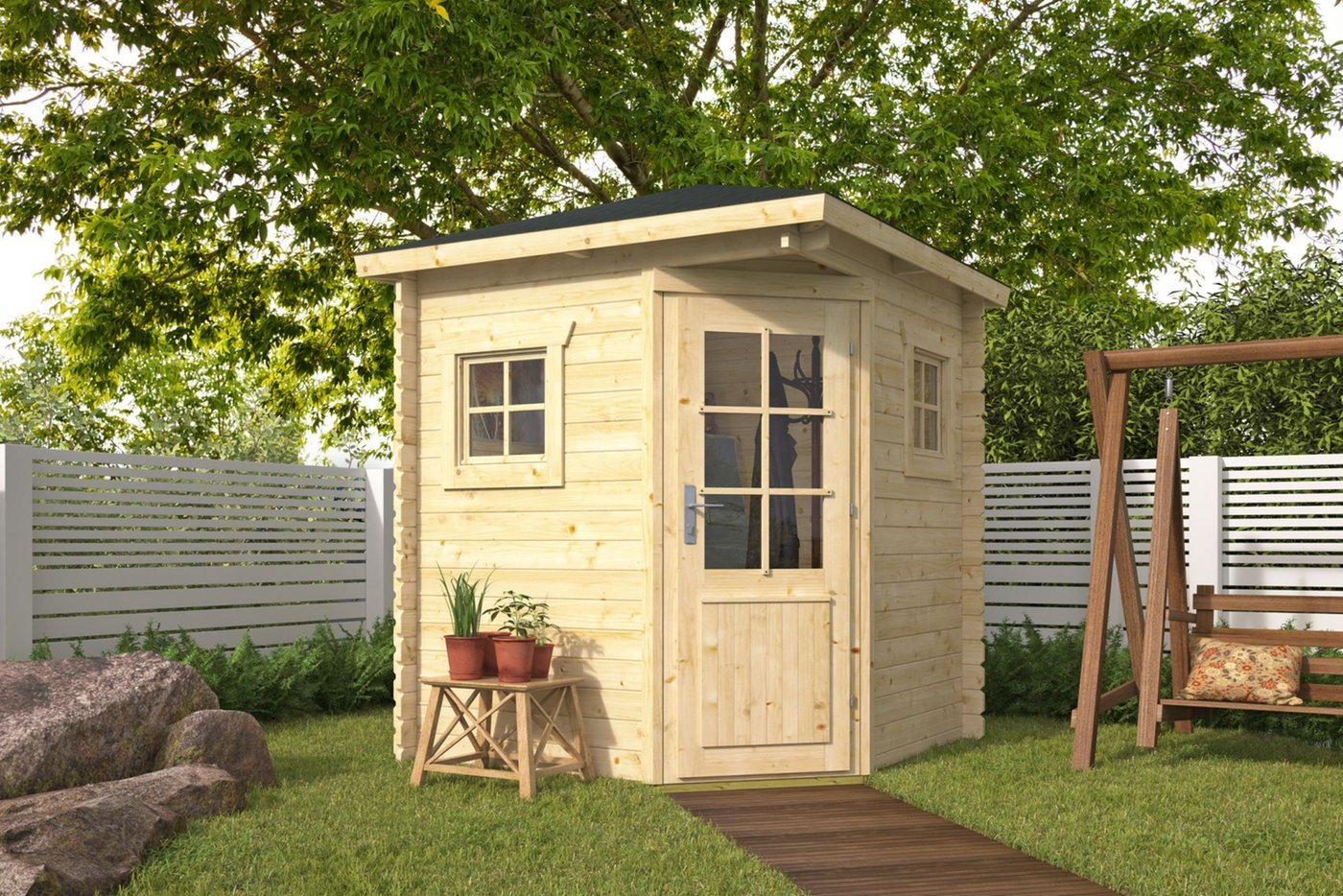
Transform Your Garden with a Stylish Corner Summer House: The Ultimate Guide
A corner summer house is more than just a garden structure; it is a clever way to maximise unused outdoor space while adding elegance and functionality. Designed to fit neatly into the corner of a garden, this type of summer house allows homeowners to make the most of every inch without compromising on style.
Whether you are looking for a peaceful retreat, a home office, or a social hub for family gatherings, a corner summer house offers versatility and charm. Its unique shape blends seamlessly into garden layouts, creating a focal point that feels both natural and intentional.
Why Choose a Corner Summer House?
Smart Use of Space
One of the main reasons homeowners opt for a corner summer house is its ability to utilise awkward or unused areas. Traditional garden buildings often require central placement, but corner designs tuck neatly into edges, freeing up the rest of the garden for landscaping or leisure.
Aesthetic Appeal
A well-designed corner summer house adds a refined touch to any outdoor space. Its angled structure creates visual interest, making your garden look thoughtfully designed rather than cluttered.
Versatility in Function
From a quiet reading nook to a stylish entertainment space, a corner summer house can serve multiple purposes. It adapts easily to changing needs, making it a long-term investment rather than a temporary solution.
Types of Corner Summer Houses
Traditional Wooden Designs
Classic wooden corner summer houses are popular across the UK. They offer a timeless look and blend beautifully with natural surroundings. Typically made from timber, these structures provide warmth and a cosy atmosphere.
Contemporary Styles
Modern corner summer houses feature clean lines, large windows, and minimalist designs. These are ideal for homeowners who prefer a sleek, contemporary garden aesthetic.
Insulated and Year-Round Options
For those who want to use their corner summer house throughout the year, insulated models are a practical choice. With proper insulation and double glazing, these buildings remain comfortable even during colder months.
Choosing the Right Size and Placement
Understanding Your Garden Layout
Before installing a corner summer house, it is important to assess your garden space. Measure the available corner carefully and consider surrounding elements such as fences, trees, and pathways.
Orientation Matters
Positioning your summer house to capture natural light can significantly enhance its usability. South-facing corners tend to receive more sunlight, making them ideal for relaxation spaces.
Balancing Proportion
A large structure in a small garden can feel overwhelming, while a tiny summer house in a spacious garden may look out of place. Choose a size that complements the overall scale of your outdoor area.
Materials and Build Quality
Timber Quality
High-quality timber is essential for durability. Look for pressure-treated wood, which resists rot and extends the lifespan of your corner summer house.
Roofing Options
Roofing materials vary from felt to shingles. Premium roofing not only improves appearance but also provides better protection against the unpredictable UK weather.
Glazing and Doors
Windows and doors play a key role in both aesthetics and functionality. Large glazed panels allow natural light to flood the interior, creating a bright and welcoming environment.
Interior Design Ideas for a Corner Summer House
Creating a Relaxation Retreat
Transform your corner summer house into a tranquil sanctuary with soft furnishings, warm lighting, and calming colours. Add a comfortable chair, a small table, and perhaps a bookshelf for a peaceful escape.
Home Office Setup
With remote working becoming more common, many people use their corner summer house as a garden office. A desk, ergonomic chair, and reliable lighting can create a productive workspace away from household distractions.
Entertainment Space
For social gatherings, consider turning your summer house into a mini lounge or bar area. Add seating, decorative lighting, and perhaps a small fridge to create a welcoming atmosphere for guests.
Maintenance and Care
Regular Cleaning
Keeping your corner summer house clean helps maintain its appearance and prevents long-term damage. Remove dirt, leaves, and debris regularly.
Wood Treatment
Applying wood preservative or paint every few years protects against moisture and UV damage. This step is crucial for extending the life of your structure.
Roof Inspection
Check the roof periodically for signs of wear or leaks. Addressing small issues early can prevent costly repairs later.
Planning Permission in the UK
In many cases, a corner summer house falls under permitted development, meaning planning permission is not required. However, there are exceptions based on size, height, and location.
If your property is in a conservation area or if the structure exceeds certain dimensions, you may need approval. It is always wise to check local regulations before installation.
Cost Considerations
Initial Investment
The cost of a corner summer house varies depending on size, materials, and features. Basic models are relatively affordable, while high-end designs with insulation and custom finishes can be more expensive.
Long-Term Value
Although the upfront cost may seem significant, a well-built summer house can increase property value and enhance overall living experience.
Installation Costs
Some homeowners choose DIY installation, while others prefer professional assembly. The latter ensures precision and durability but adds to the total cost.
Benefits of Owning a Corner Summer House
Enhanced Outdoor Living
A corner summer house extends your living space into the garden, allowing you to enjoy the outdoors in comfort.
Increased Property Appeal
A stylish garden structure can make your home more attractive to potential buyers, especially in competitive property markets.
Personalised Space
Unlike indoor rooms, a summer house offers complete freedom in design and usage. It can be tailored to reflect your personality and lifestyle.
Common Mistakes to Avoid
Ignoring Ground Preparation
A solid base is essential for stability. Skipping proper groundwork can lead to structural issues over time.
Choosing Poor Quality Materials
Opting for cheaper materials may save money initially but often results in higher maintenance costs and reduced lifespan.
Overlooking Ventilation
Proper airflow prevents dampness and ensures a comfortable interior environment, especially in insulated models.
How to Make Your Corner Summer House Stand Out
Landscaping Around It
Enhance the surroundings with plants, pathways, and decorative elements. A well-landscaped area can elevate the entire look of your garden.
Lighting Design
Outdoor lighting adds both functionality and charm. Consider solar lights, fairy lights, or wall-mounted fixtures to create a warm ambience.
Personal Touches
Incorporate unique décor items such as cushions, artwork, or plants to make your space truly your own.
Conclusion
A corner summer house is a smart and stylish addition to any UK garden. It combines practicality with aesthetic appeal, making it an excellent choice for homeowners seeking to maximise their outdoor space.
From its space-saving design to its versatility in use, this type of garden building offers countless possibilities. With the right planning, quality materials, and thoughtful design, a corner summer house can become one of the most cherished features of your home.
Investing in a corner summer house is not just about adding a structure to your garden; it is about creating a space that enhances your lifestyle, offers comfort, and brings lasting enjoyment throughout the year.
