


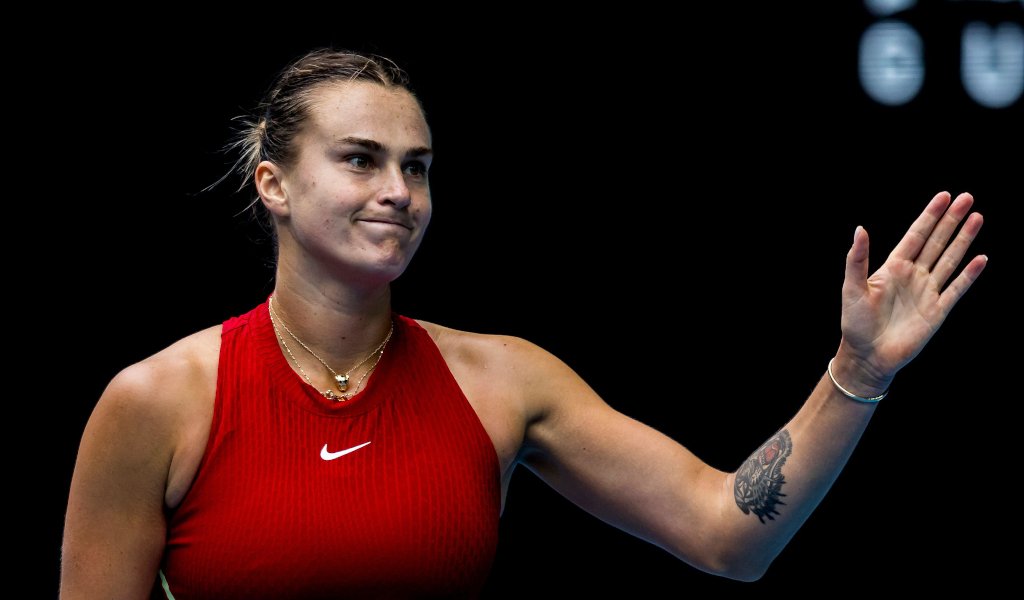
Sabalenka Nationality: Everything You Need to Know About Aryna Sabalenka’s Roots and Identity
When people search for sabalenka nationality, they’re usually trying to understand more than just a passport—they want to know the story behind one of the most powerful players in modern tennis. Aryna Sabalenka has become a global sports icon, but her nationality plays a significant role in shaping her identity, career, and the way she is perceived on the international stage.
In this in-depth guide, we’ll explore sabalenka nationality from every angle—her birthplace, cultural background, national representation, and how her Belarusian roots have influenced her journey in professional tennis.
Sabalenka Nationality: The Official Answer
The straightforward answer to the question sabalenka nationality is that Aryna Sabalenka is Belarusian. She was born on May 5, 1998, in Minsk, the capital city of Belarus.
Her nationality is not just a technical detail; it is central to her identity. Sabalenka represents Belarus in international competitions, including major tennis tournaments and events such as the Olympics and the Billie Jean King Cup.
Understanding sabalenka nationality requires looking beyond geography. It also involves recognizing how her upbringing in Belarus shaped her playing style, discipline, and resilience.
Early Life in Belarus and Cultural Influence
Growing up in Minsk, Sabalenka was introduced to tennis somewhat unexpectedly. Her father, Sergey Sabalenka, once drove past tennis courts and decided to enroll her in the sport. That spontaneous decision would eventually lead to her becoming one of the most dominant players in women’s tennis.
Belarus has a strong sporting culture, particularly in individual sports like tennis, athletics, and gymnastics. This environment played a key role in developing Sabalenka’s competitive mindset.
When discussing sabalenka nationality, it’s important to note that Belarusian athletes often face unique challenges due to limited resources compared to larger countries. Despite this, Sabalenka rose through the ranks with determination, showcasing the strength often associated with Eastern European athletes.
Her Belarusian upbringing instilled discipline, mental toughness, and a strong work ethic—qualities that are clearly visible in her aggressive and fearless playing style.
Representing Belarus on the Global Stage
Sabalenka nationality becomes especially relevant when she competes internationally. She proudly represents Belarus in global tournaments, including Grand Slams like the Australian Open, US Open, and Wimbledon Championships.
Her victories and performances contribute not only to her personal legacy but also to Belarus’s reputation in the world of tennis.
However, the topic of sabalenka nationality has occasionally been complicated by geopolitical factors. In recent years, Belarusian athletes have faced restrictions and scrutiny in international competitions due to political situations involving the country.
Despite these challenges, Sabalenka has consistently maintained her focus on tennis, often emphasizing that she competes as an individual athlete. Her ability to separate sport from politics has helped her maintain a strong presence on the global stage.
Sabalenka Nationality and International Recognition
The discussion around sabalenka nationality also highlights how athletes from smaller countries can achieve global fame. Sabalenka’s success has put Belarus firmly on the tennis map, alongside other notable players from the region.
Her powerful serve, aggressive baseline play, and emotional intensity have made her one of the most recognizable figures in women’s tennis. As her popularity grows, so does interest in her nationality and background.
For many fans, sabalenka nationality represents more than just a country—it symbolizes perseverance and the ability to succeed regardless of origin.
Dual Identity in a Global Sport
In modern tennis, players often train and live in multiple countries. Sabalenka is no exception. While her nationality is Belarusian, she spends much of her time traveling or training abroad.
This global lifestyle raises interesting questions about identity. Does sabalenka nationality define her entirely, or is she also a global citizen?
The answer lies somewhere in between. While she proudly represents Belarus, her exposure to different cultures and training environments has broadened her perspective. This blend of local roots and global experience is common among top athletes today.
Still, when she steps onto the court, her nationality remains Belarusian—a key part of her identity that connects her to her homeland.
The Impact of Belarusian Heritage on Her Playing Style
Sabalenka’s playing style reflects many characteristics often associated with athletes from Eastern Europe. She is known for her powerful groundstrokes, aggressive mentality, and emotional intensity.
These traits are not случайные. They are deeply connected to her background and upbringing.
When analyzing sabalenka nationality, it becomes clear that her Belarusian heritage has influenced her approach to the game. She plays with a sense of urgency and determination that resonates with fans worldwide.
Her ability to channel emotion into performance is one of her greatest strengths. It’s a quality that sets her apart and makes her matches thrilling to watch.
Challenges Linked to Sabalenka Nationality
In recent years, sabalenka nationality has been part of broader discussions in the sports world. Political tensions involving Belarus have affected how athletes from the country are treated in international competitions.
Some tournaments have imposed restrictions on Belarusian players, requiring them to compete under neutral flags or without national symbols.
Sabalenka has handled these challenges with professionalism. She has repeatedly emphasized that her focus is on tennis and that she aims to unite fans through sport rather than division.
Her response to these situations has earned her respect from both fans and fellow players.
Sabalenka Nationality and Fan Perception
Fans around the world often connect with athletes based on their nationality. In Sabalenka’s case, her Belarusian identity adds an extra layer of intrigue.
Many fans are curious about sabalenka nationality because Belarus is not traditionally known as a dominant tennis nation. Her success challenges that perception and inspires young athletes from similar backgrounds.
At the same time, her personality—energetic, passionate, and sometimes unpredictable—makes her relatable to a global audience.
This combination of national pride and universal appeal is a big part of her popularity.
Media Coverage and Global Attention
As Sabalenka continues to achieve success, media coverage of her career increasingly highlights her nationality. Journalists often discuss sabalenka nationality in the context of her achievements and the broader sports landscape.
Her victories in major tournaments have brought attention not only to her as an individual but also to Belarus as a sporting nation.
This increased visibility has both positive and challenging aspects. While it boosts her profile, it also places her under greater scrutiny.
Nevertheless, Sabalenka has managed to navigate this attention with confidence and professionalism.
Why Sabalenka Nationality Matters
Understanding sabalenka nationality helps fans appreciate her journey on a deeper level. It provides context for her achievements and highlights the obstacles she has overcome.
Her story is a reminder that talent can emerge from anywhere. Nationality may shape an athlete’s path, but it does not limit their potential.
Sabalenka’s success demonstrates that with dedication and resilience, it is possible to reach the highest levels of sport regardless of where you come from.
Conclusion: Sabalenka Nationality as Part of Her Identity
In conclusion, sabalenka nationality is Belarusian, but it represents much more than a simple label. It is a reflection of her upbringing, culture, and the challenges she has faced throughout her career.
Aryna Sabalenka has become a global tennis star while staying connected to her roots. Her journey shows how nationality can influence an athlete’s identity while still allowing them to thrive on the international stage.
For fans and aspiring players alike, her story is both inspiring and empowering. It proves that greatness is not defined by geography but by determination, talent, and the willingness to push beyond limits.
FAQs About Sabalenka Nationality
What is Aryna Sabalenka’s nationality?
Aryna Sabalenka’s nationality is Belarusian. She was born in Minsk, Belarus, and represents the country in international tennis competitions.
Where was Aryna Sabalenka born?
She was born in Minsk, the capital city of Belarus.
Does Sabalenka play under the Belarusian flag?
Typically, yes. However, in some tournaments, Belarusian players have competed under neutral conditions due to international regulations.
Has Sabalenka ever changed her nationality?
No, Aryna Sabalenka has always remained a Belarusian citizen and continues to represent Belarus.
Why is sabalenka nationality often discussed?
It is frequently discussed due to geopolitical factors and her role as a prominent athlete representing Belarus on the global stage.
