


Tube Strikes in London: A Comprehensive Guide to Understanding and Navigating the Disruptions
London’s iconic Tube network is an essential part of daily life for millions of commuters, tourists, and residents alike. However, from time to time, the city faces major disruptions due to Tube strikes, which can cause widespread inconvenience for travellers. These strikes, typically organized by unions representing London Underground workers, have a significant impact on transportation across the city. In this article, we will explore the reasons behind Tube strikes in London, their effects on commuters, and how to navigate these disruptions effectively.
What Are Tube Strikes?
Tube strikes occur when employees of Transport for London (TfL) stop working temporarily in protest or as part of an industrial action. These strikes may involve the entire London Underground network or specific lines, depending on the issue at hand. They are typically organized by trade unions that represent Tube workers, such as the RMT (National Union of Rail, Maritime and Transport Workers) and ASLEF (Associated Society of Locomotive Engineers and Firemen).
The causes behind Tube strikes can vary, but they often stem from disagreements over pay, working conditions, safety issues, staffing levels, and pension reforms. Workers may strike to demand better terms, prevent job cuts, or address concerns about the safety of the network.
Why Do Tube Strikes Happen?
Tube strikes in London typically arise from disputes between trade unions and Transport for London (TfL). The reasons behind these strikes can be complex, but the most common causes include:
Pay and Benefits Disputes
One of the most common reasons for Tube strikes is disagreements over pay and benefits. When TfL offers a pay raise that workers feel is inadequate or fails to meet inflation levels, unions may call for industrial action to secure better wages for their members. Additionally, pension disputes often contribute to strikes, especially when workers believe their pensions are under threat.
Working Conditions and Safety Concerns
Ensuring the safety of workers and passengers is a top priority for any transportation network. Tube strikes can occur if workers feel that the safety standards on the Tube are being compromised. Issues such as overcrowding, outdated infrastructure, and insufficient staff on the network may lead to strikes if workers believe their health and safety are at risk.
Staffing and Job Cuts
Another significant issue that can trigger Tube strikes is the reduction of staffing levels or potential job cuts. Unions may protest against planned layoffs, the introduction of automation that could eliminate jobs, or changes to working hours and conditions that affect staff. The fear of job insecurity among workers can lead to industrial action, as unions seek to protect jobs and secure stable working conditions.
Changes to Services or Working Practices
Changes to the way the Tube operates, such as alterations to train timetables, new ticketing systems, or changes in the way stations are managed, can also be a cause for strikes. Workers may resist changes that they feel will negatively affect their working conditions, efficiency, or the quality of service offered to passengers.
How Do Tube Strikes Impact Londoners?
The effects of a Tube strike on London can be far-reaching and disruptive, especially in a city where public transport is the backbone of daily commuting. Here are the primary ways Tube strikes affect Londoners:
Increased Congestion on Alternative Transport
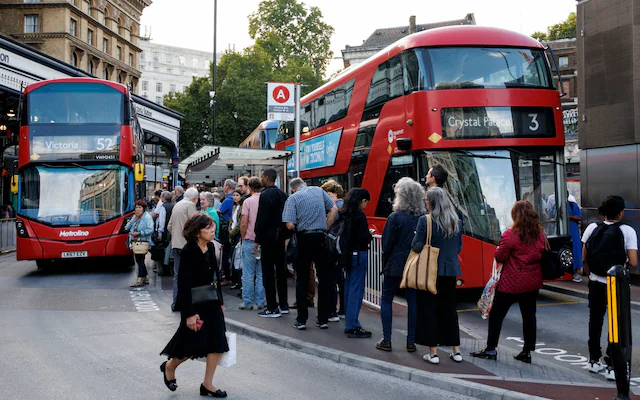
When the Tube is out of service, people turn to alternative modes of transport, such as buses, trams, or taxis. This sudden influx of passengers on these modes leads to overcrowding, longer waiting times, and slower journeys. Buses, in particular, become packed, and the overall travel time across the city increases significantly.
Commuting Chaos
For many Londoners, the Tube is the fastest and most efficient way to get around. A Tube strike can lead to widespread commuter chaos, with people scrambling to find alternative routes. Long queues at bus stops and delays on other forms of transport become a daily challenge during a strike.
Impact on Business and the Economy
The disruption caused by Tube strikes is not only a problem for commuters but also for businesses. Employees who rely on the Tube to get to work may arrive late, leading to decreased productivity. In severe cases, business operations may be temporarily halted or slowed down. Retailers, restaurants, and other service-based businesses near Tube stations also see fewer customers during a strike.
Reduced Tourism
Tourism is a significant part of London’s economy, and Tube strikes can severely affect tourists visiting the city. The Tube is the primary mode of transport for tourists, who often rely on it to explore various parts of London. A strike can disrupt planned sightseeing trips, forcing tourists to rely on more expensive or less convenient travel options.
How to Navigate a Tube Strike in London
While Tube strikes can be frustrating, there are ways to minimise the impact and ensure that you can still get around the city during a disruption. Here are some tips for navigating a Tube strike in London:
Plan Ahead
Before you head out, check the TfL website or app to find out which lines are affected by the strike and whether there are any alternative routes available. TfL often provides updates and offers alternative travel advice, such as taking buses, walking, or using other forms of public transport.
Use Bus and Tram Services
Buses and trams remain operational during Tube strikes, although they may experience increased passenger numbers. London has an extensive bus network that can often be a viable alternative to the Tube. Be sure to check for any service changes or diversions that may be in place.
Consider Cycling or Walking
For shorter distances, walking or cycling may be a faster and more efficient option during a Tube strike. London’s roads and streets are often less congested when the Tube is not running, and cycling can be a quick way to get around the city. TfL provides dedicated cycling routes and bike hire schemes to help cyclists navigate the city.
Use Taxi and Ride-Hailing Services
Taxi services, as well as ride-hailing apps like Uber, are usually still available during a Tube strike, although demand may increase significantly. While taxis can be a more expensive option, they offer a comfortable and direct way to reach your destination.
Adjust Your Work Hours
If you rely on the Tube for commuting, consider adjusting your work hours during a strike. Flexible working arrangements, such as starting work later or leaving earlier, can help you avoid the worst of the rush and reduce the time spent in overcrowded buses or taxis.
Conclusion
Tube strikes in London are a reality that commuters and businesses must occasionally face. While they can be disruptive and frustrating, understanding the reasons behind the strikes and being prepared with alternative transport options can help ease the burden. Whether it’s through bus services, cycling, or adjusting your schedule, there are ways to navigate the challenges of a Tube strike and continue your daily activities without too much disruption.
It’s important to stay informed during a strike and plan your journeys carefully to avoid delays. With a bit of flexibility and patience, you can manage through a Tube strike and continue to get around London as efficiently as possible.
